Home backup battery
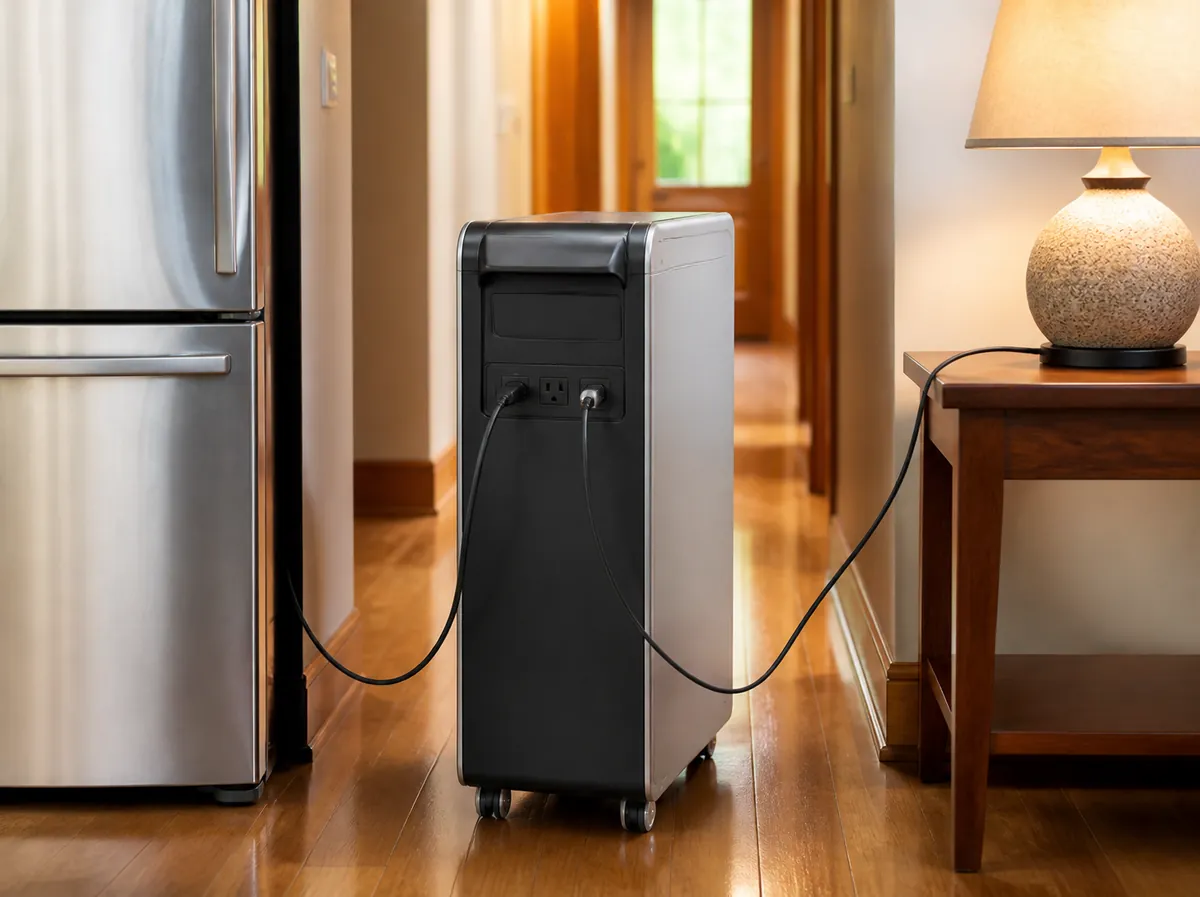
2kWh home backup battery
Coming soon
Stays in one place indoors. Covers the evening essentials, or a fridge-freezer for well over a day.
- Usable
- ~2,000 Wh
- At the sockets
- ~1,700 Wh
- Charges from
- Wall socket
We use cookies to improve your visit.
Essential cookies keep the website and your basket working, so they're always on. Analytics cookies (Google Analytics and Microsoft Clarity) show us which pages people find useful. They stay off unless you turn them on.
Coming soon. Nothing's on sale yet. Join the list on any product page and we'll email you when ordering opens.
 Illustrative image
Portable power station
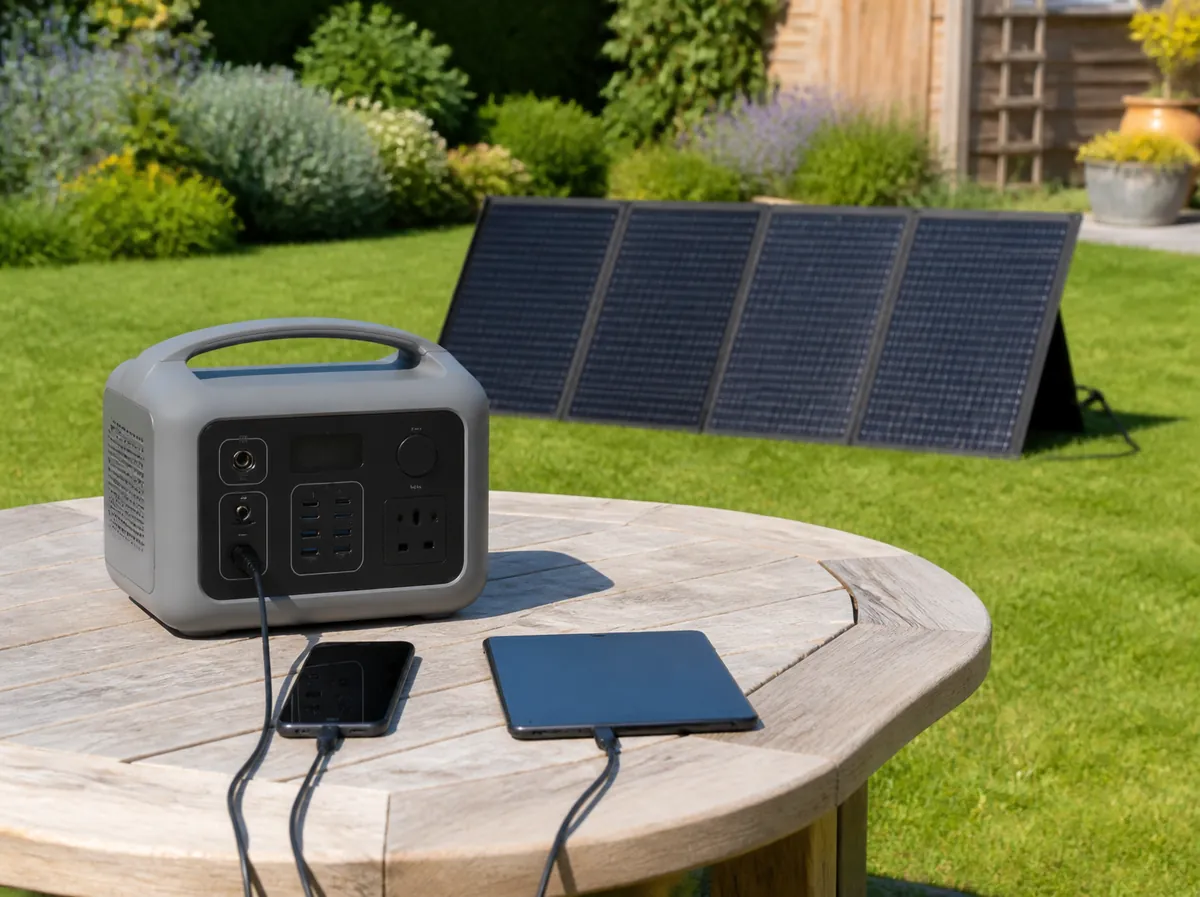
A battery, an inverter and a row of sockets in one carry-case. Charge it from a wall socket, a car or its own folding panel, then plug in what you need. Coming soon.
1.0kWhstored. About 850Wh reaches the sockets.
Not for use with a plug-in solar kitIt charges from a wall socket, a car or its own folding panel. It never connects to a plug-in solar kit, and a plug-in kit must never be used with a battery.
Availability
Coming soonWe haven't picked the model yet, so we won't guess its figures. Every row below gets the maker's own number before it goes on sale. The right-hand column says what each one tells you.
The capacity class is the one fixed point. Everything else is checked against the maker's datasheet first.
Hours from about 850Wh at the sockets, with typical appliance figures. Your own appliances may draw more or less: the rating label tells you, or measure one with a plug-in energy monitor.
Tap a heading to sort. Swipe the table sideways on a phone.
| Appliance | ||
|---|---|---|
| Wi-Fi router | 10 | 85 |
| Two LED lamps | 16 | 53 |
| Fridge-freezer (average over a day) | 40 | 21 |
| Laptop in use | 50 | 17 |
| TV, 43-inch LED | 60 | 14 |
| Electric blanket | 60 | 14 |
Figures are rounded down. Running times shorten if you use several things at once.
Together, a router, two lamps and a fridge-freezer average about 66W, so roughly 12 hours. That's an evening and a night with the essentials on. It's also about 56 full phone charges.
It won't run an electric heater or an oven for long, and many 1kWh units can't start a 3kW kettle at all. Check the continuous output on the listing.
Most gas boilers are wired into the house rather than plugged in, so a power station can't run one as it is. Don't rewire anything yourself: an electrician can tell you what's possible.
After Storm Arwen in November 2021, some homes across the North East were without power for days. To report a cut, call 105, the free national power cut number.
Never from a plug-in solar kitA plug-in kit plugs into your home's wiring and must never be used with a battery. This station is kept completely separate from it.
The exact weight goes on the listing. Lift it with two hands and use the handles.
It makes no fumes, so unlike a petrol generator it's fine to use indoors.
No. A plug-in kit must never be used with a battery, and this station never connects to one. Charge it from a wall socket, a car or its own folding panel.
Usually, for around 21 hours on average figures, as long as the continuous output and surge cover your fridge-freezer's start-up. Check the label on your appliance against the listing.
Yes. It makes no exhaust, unlike a petrol generator. Keep it on a hard surface, away from heat and out of escape routes.
Once we've chosen the model and checked every figure. Join the list on this page and we'll email you when ordering opens.
Elsewhere in the shop
Home backup battery
Coming soon
Stays in one place indoors. Covers the evening essentials, or a fridge-freezer for well over a day.
Ballast
Coming soon
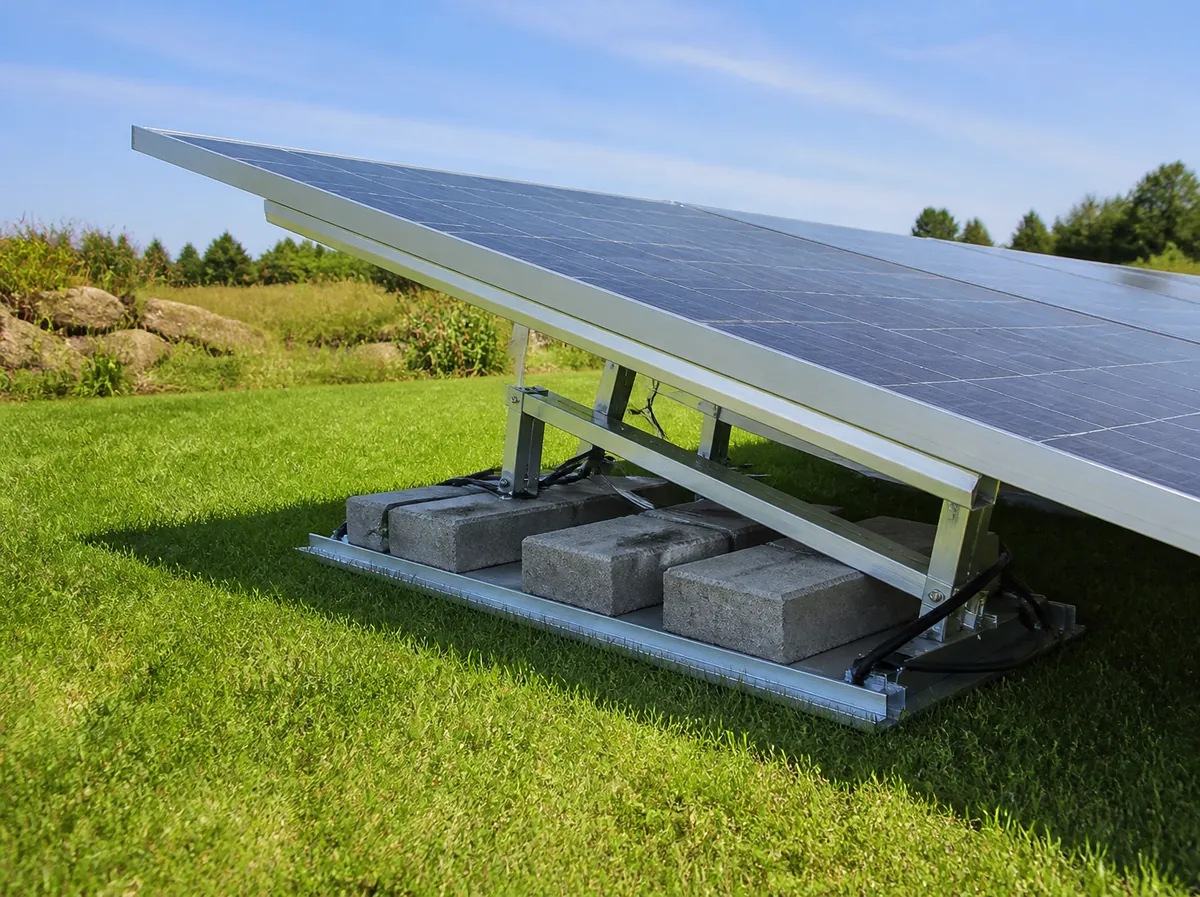
The weight that holds a ground-mount frame in place, sold in the numbers the maker sets for your wind.
Cable protection
Coming soon
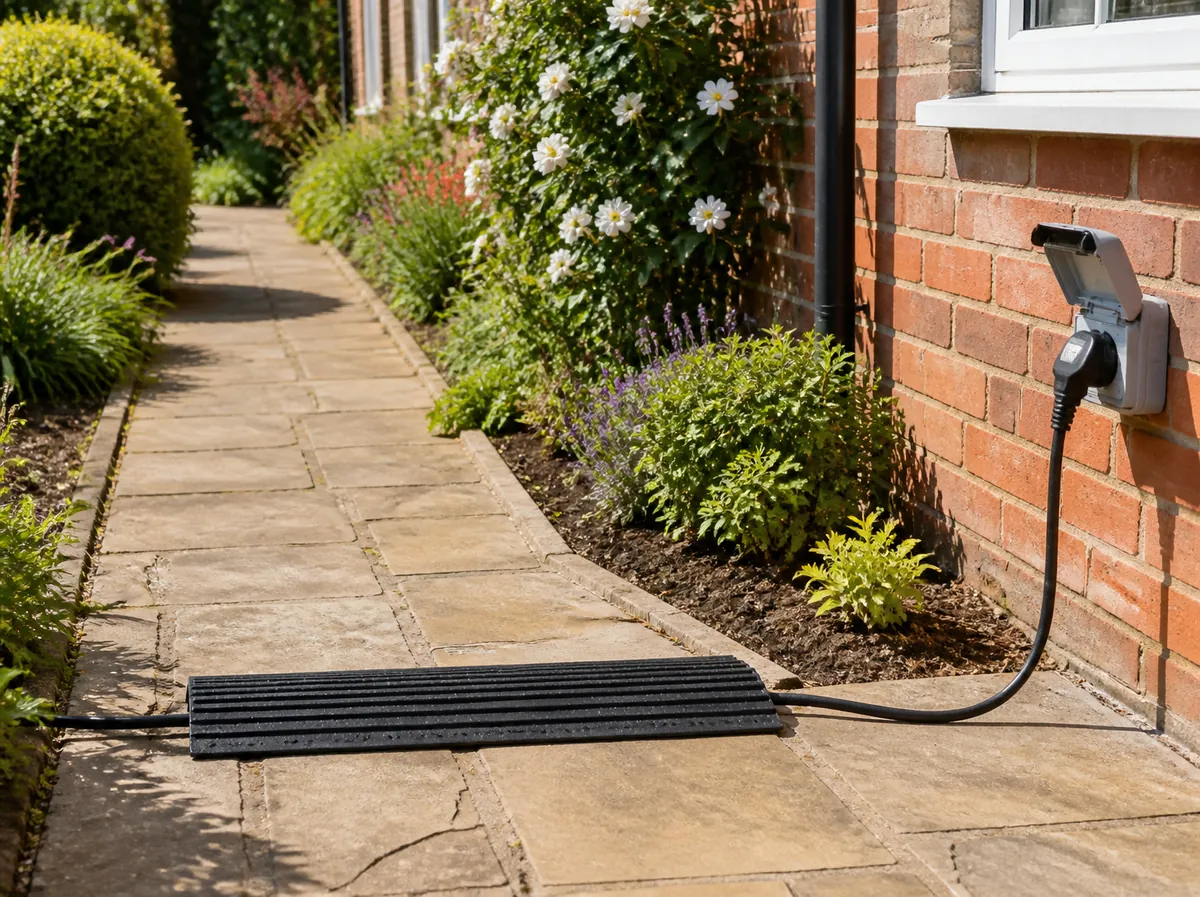
Keeps the kit's own lead safe where it crosses a path or runs along a wall. No extensions.